A mobile solution for the cost-effective treatment of PFAS and other micropollutants to support compliance with EU REACH regulations.
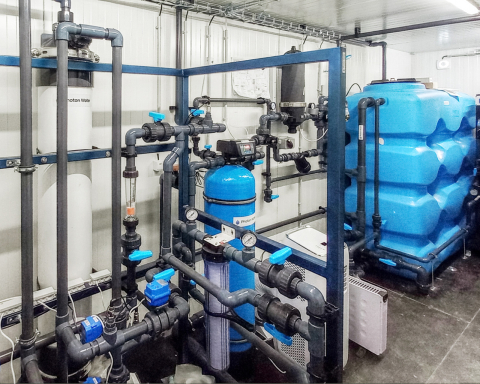
As PFAS regulation tightens across Europe, waste-management and remediation companies face increasing pressure to safely treat legacy AFFF firefighting foams without escalating transport and disposal costs or regulatory exposure.
Photon Water’s containerised decontamination technology treats PFAS-contaminated rinsing waters and AFFF foam concentrates directly at the source, eliminating the need to transport large volumes of hazardous material, and significantly simplifying compliance.
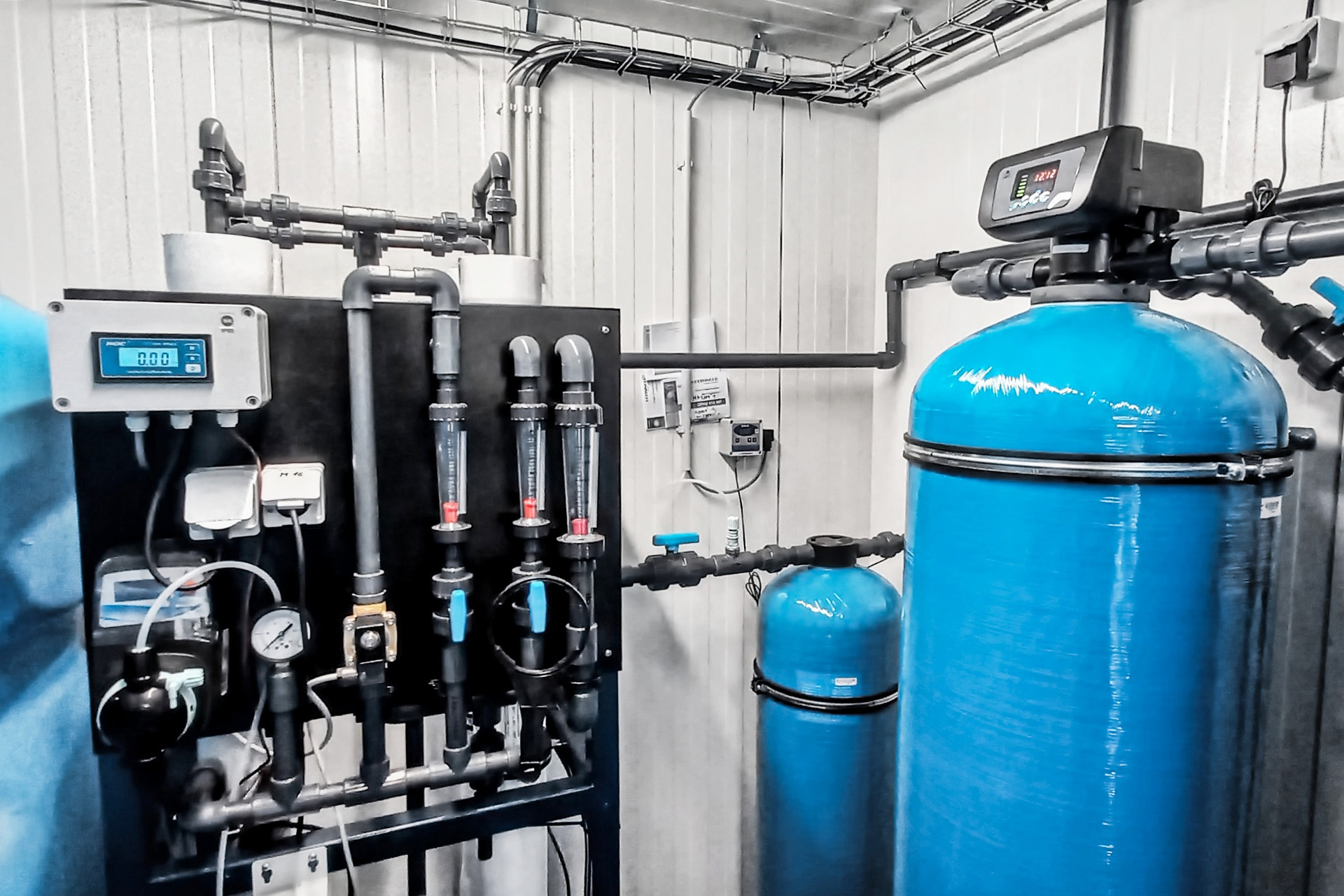
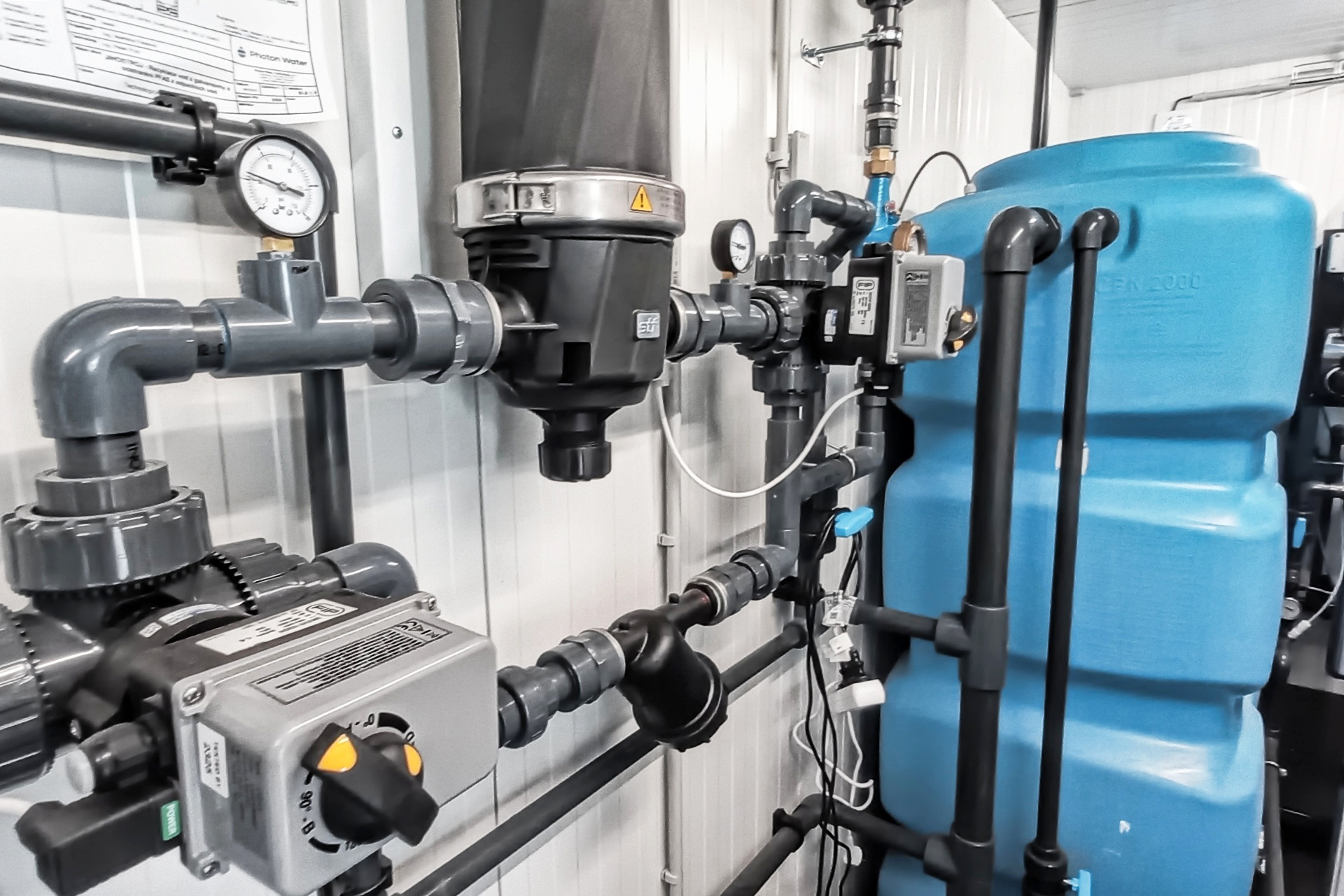
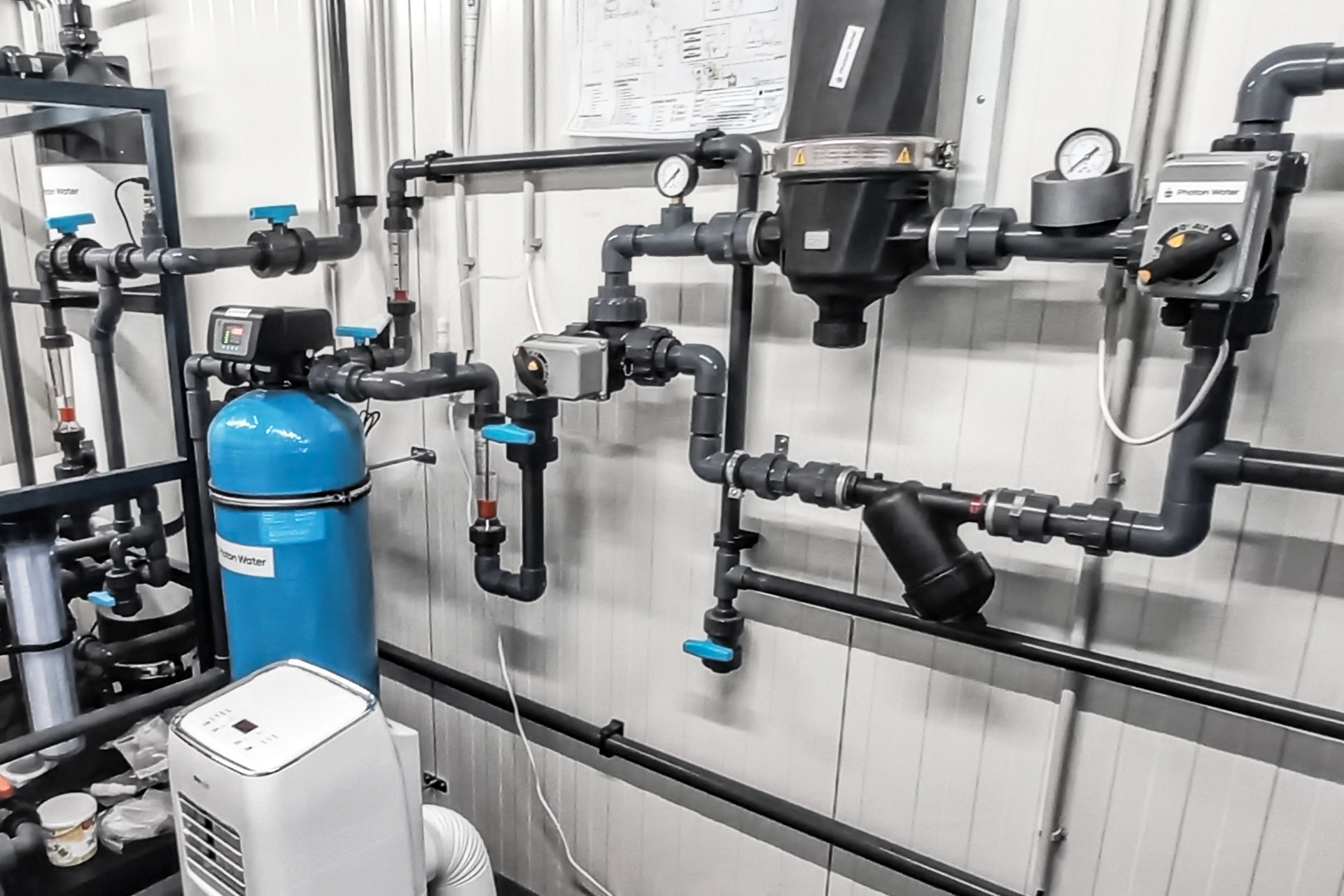
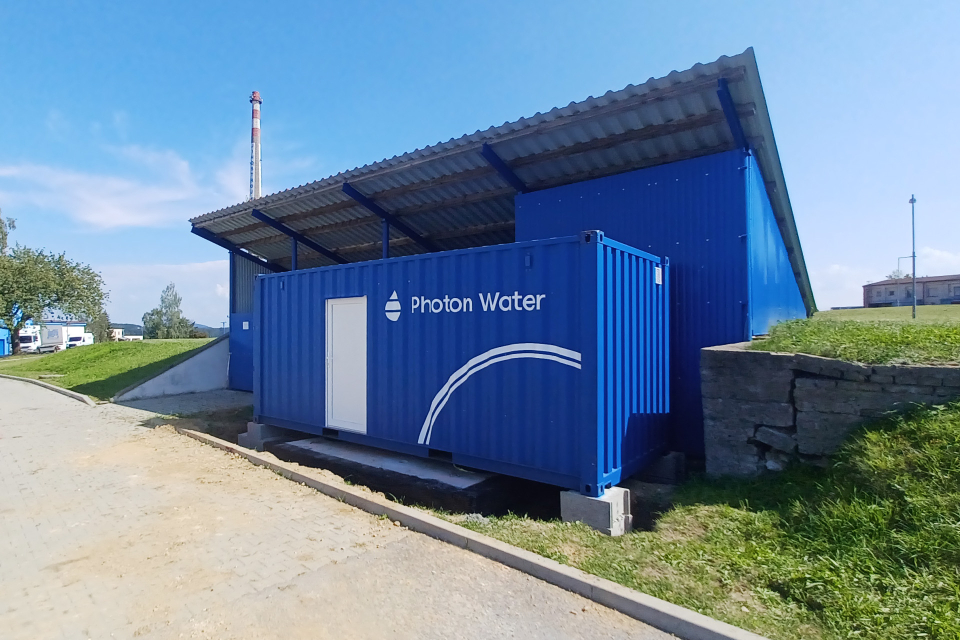
Photon Water's on-site decontamination system is delivered as a mobile unit housed in a standard insulated 20-foot ISO container. It’s designed for rapid deployment across industrial, infrastructure, and emergency-service environments without the need for permanent installation.
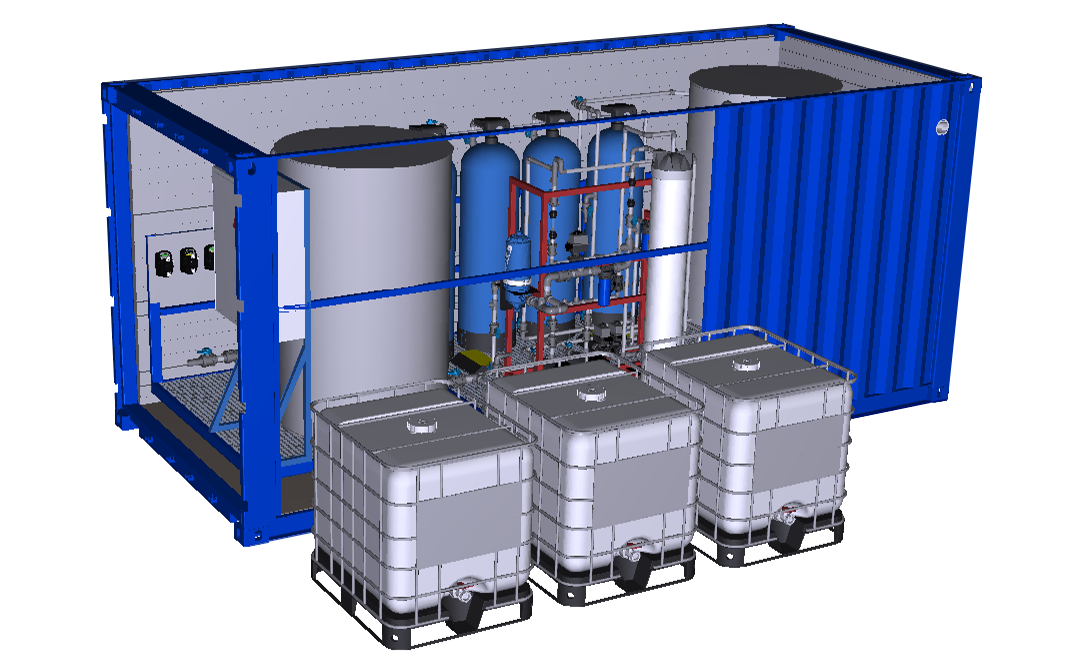
3D rendering of one potential configuration
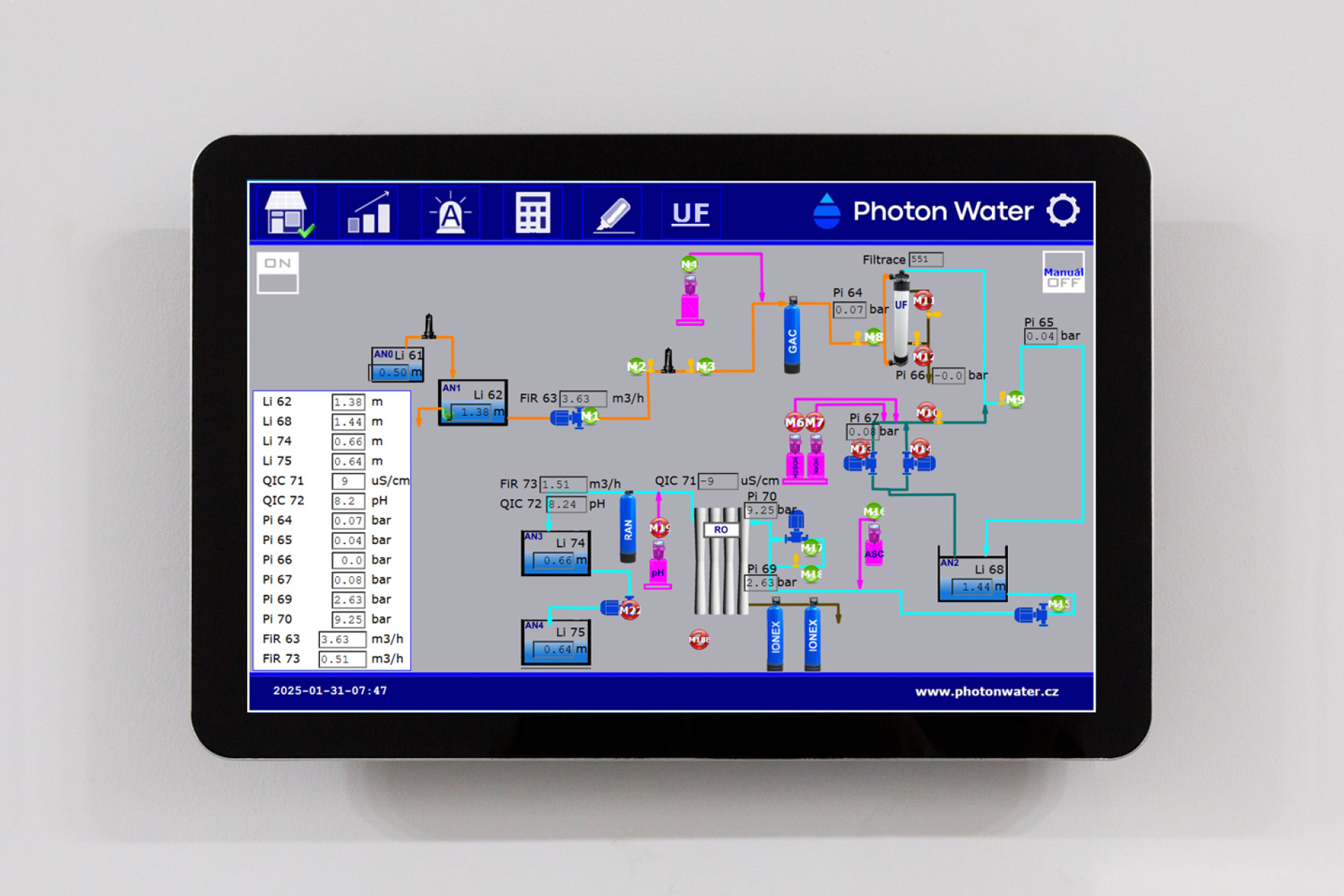
The system combines multiple advanced treatment stages, with an integrated control system for real-time monitoring and remote supervision.
Its compact design makes it suitable for decentralised applications and large-scale plants. And the modular configuration enables easy integration into existing treatment lines, while ensuring adaptability for future treatment and decontamination needs.
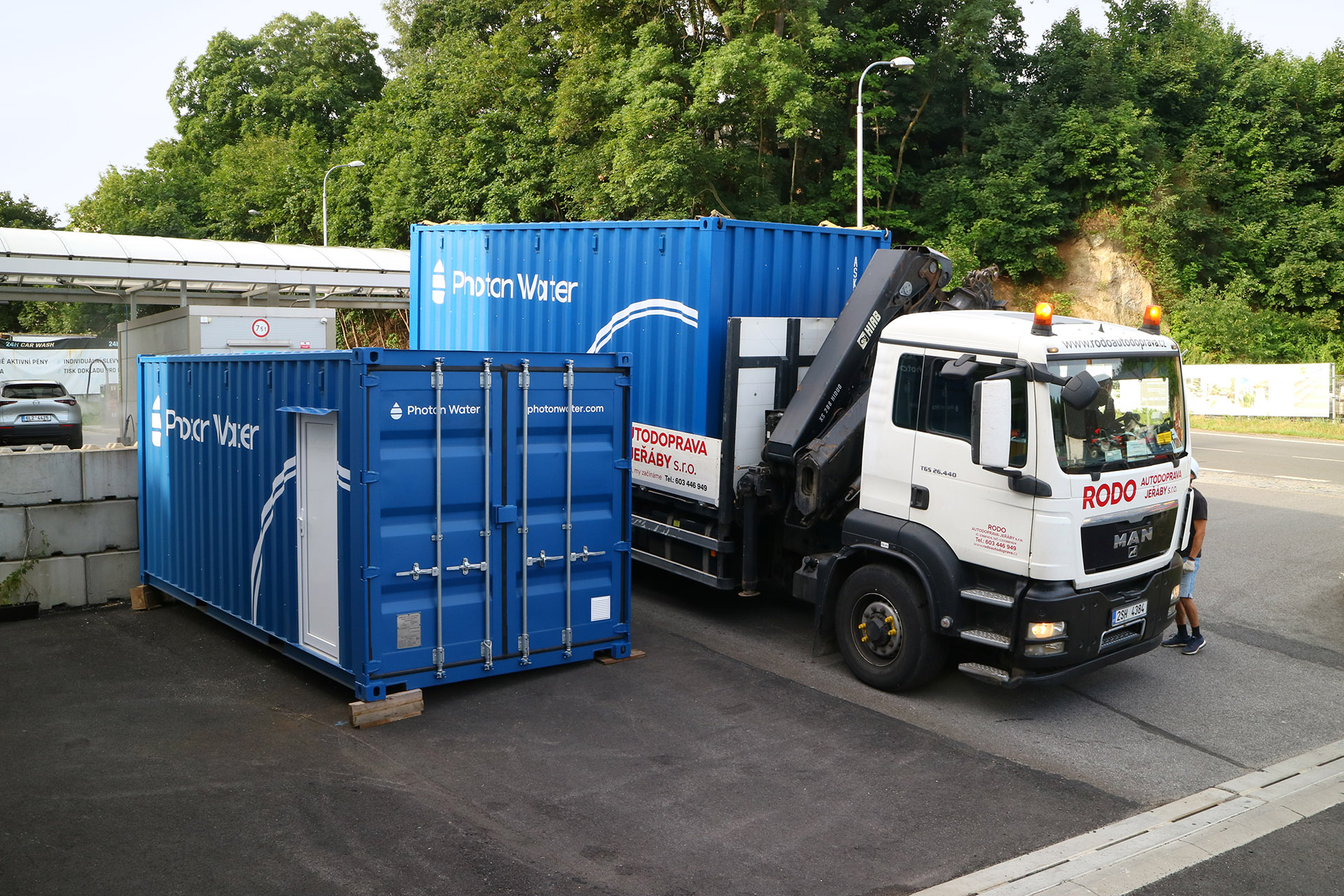
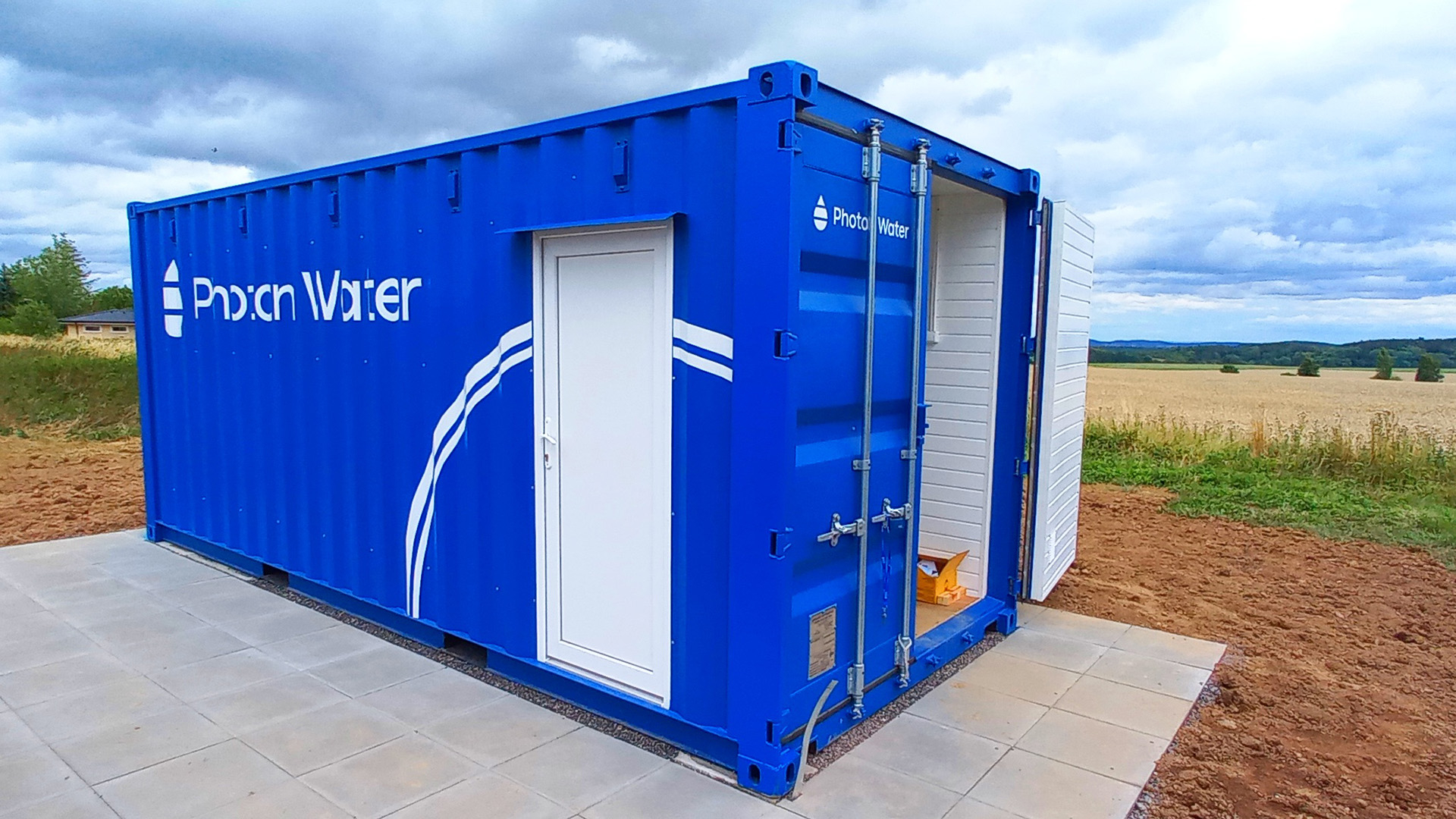
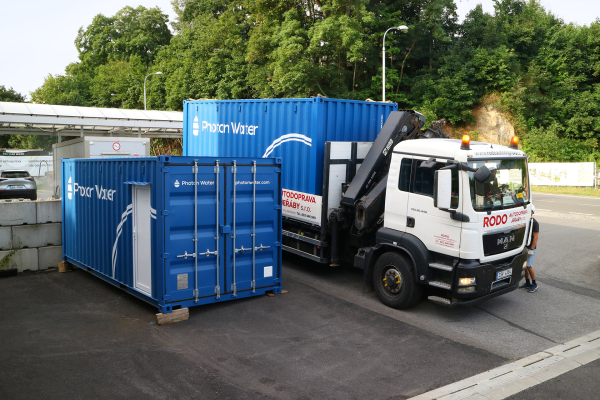
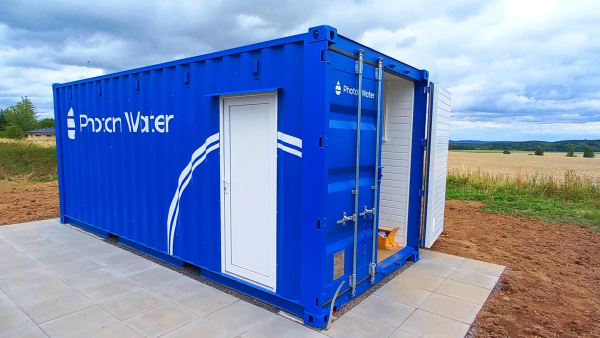
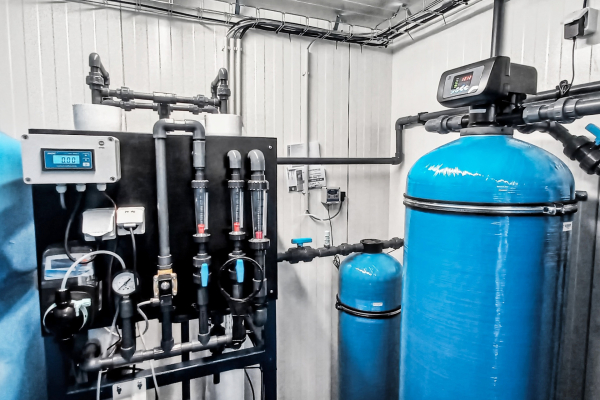
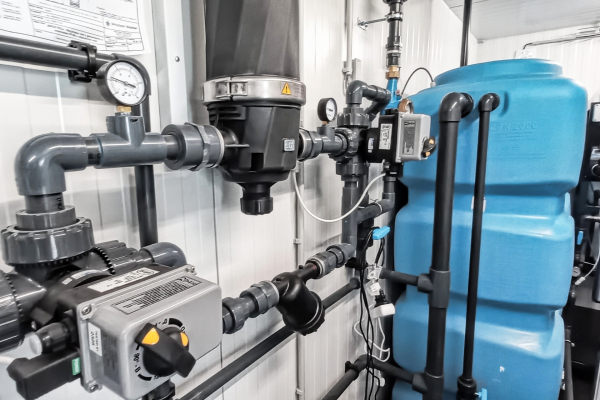
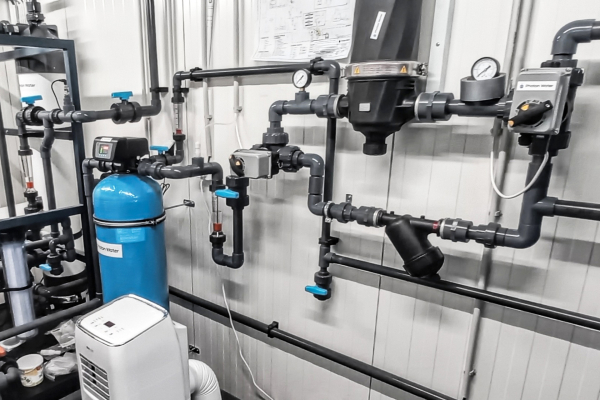
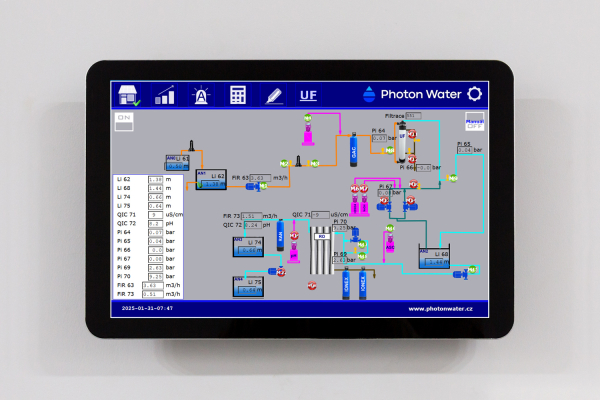
Traditional AFFF disposal relies on transporting hazardous foams to specialised high-temperature incineration facilities. This model is costly, administratively complex, and exposes operators to ongoing regulatory and logistical risk.
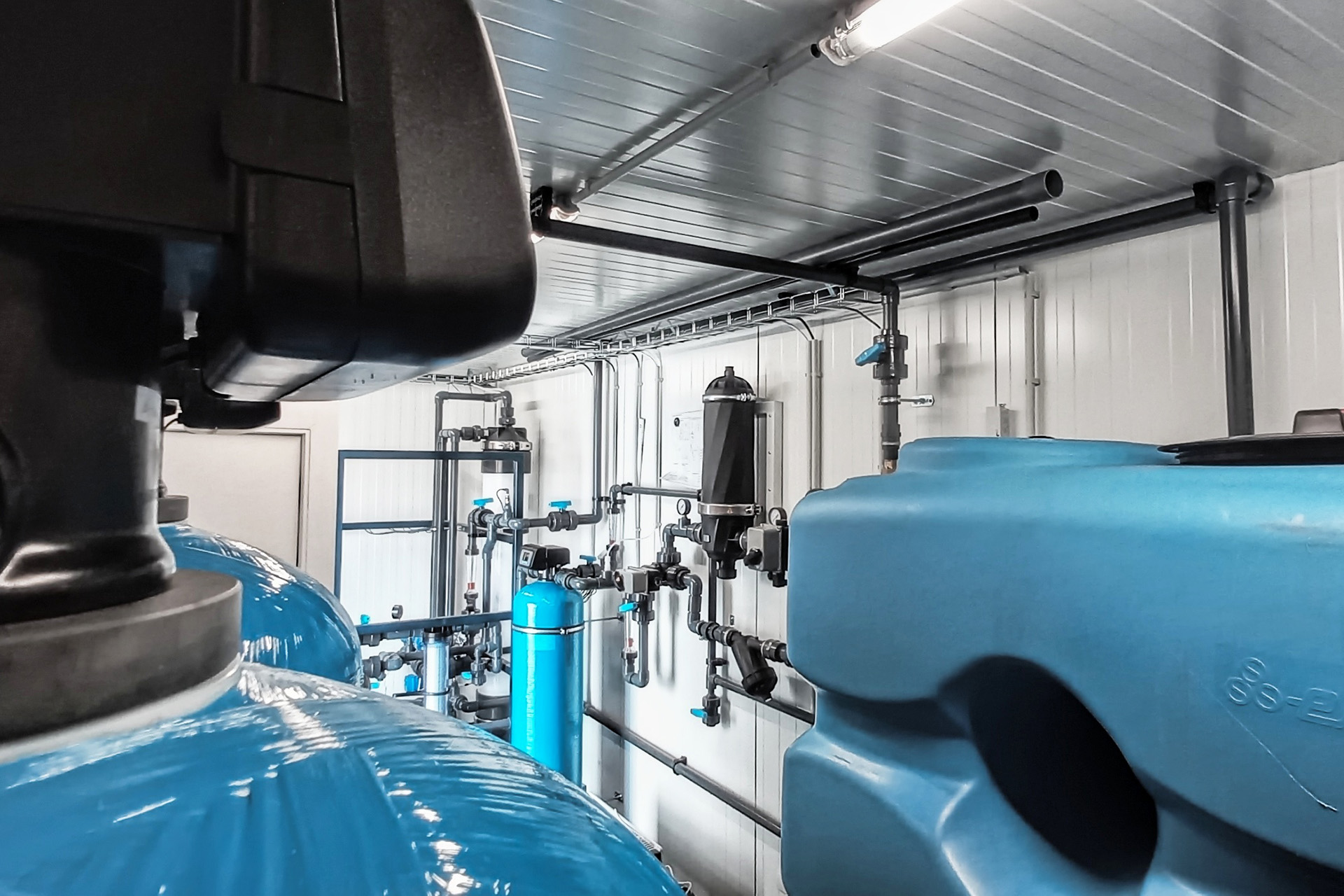
On-site decontamination fundamentally changes this approach. Treating AFFF where it’s stored or generated dramatically reduces the volume of material requiring incineration, while minimising transport and handling of hazardous waste.
For waste-management and remediation companies, this results in faster project execution, lower disposal costs, reduced regulatory exposure, and greater control over complex PFAS-impacted sites.
European regulation of PFAS in firefighting foams is tightening under REACH (Registration, Evaluation, Authorisation and Restriction of Chemicals) and related legislation. The final EU derogation for the use and storage of C8-based AFFF firefighting foams expired on 3 December 2025, creating clear obligations for the compliant decontamination of both foams and associated systems.

In addition to this deadline, further phased restrictions apply under REACH, including concentration limits, sector-specific transition periods, and new operator obligations. Waste-management and remediation companies must be able to respond quickly as regulatory requirements evolve.
Photon Water’s on-site AFFF decontamination solution enables rapid implementation when compliance action is required, helping operators meet current obligations while remaining prepared for future regulatory tightening.
While optimised for AFFF decontamination and PFAS treatment, the solution is designed to support a broader range of regulated micropollutants through targeted configuration adjustments. This makes it more than a single-purpose system tied to one regulatory challenge.

For waste-management and remediation companies, this adaptability provides a clear strategic advantage. As environmental regulations continue to evolve and new contaminants come under scrutiny, the same on-site treatment platform can be adjusted to address emerging requirements without the need for entirely new infrastructure.
By investing in Photon Water's flexible, on-site solution, operators are better positioned to respond quickly to future regulatory changes, expand their service offerings, and manage new treatment challenges as they arise, while protecting long-term asset value.
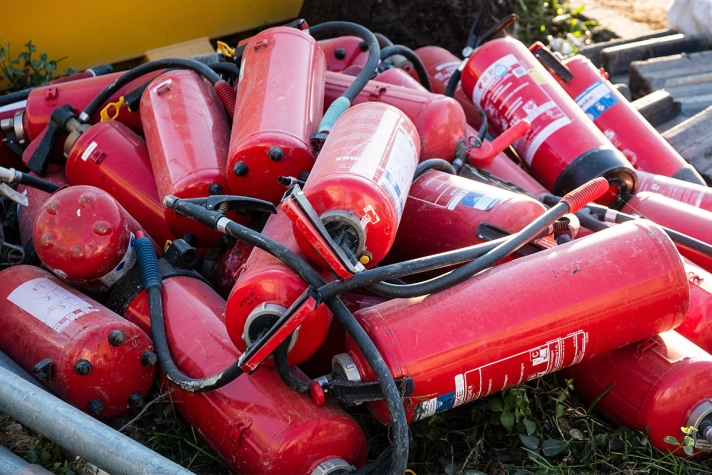
Fire extinguisher recyclers
Treat PFAS-containing residues and rinsing waters from fire protection equipment during decommissioning and recycling.
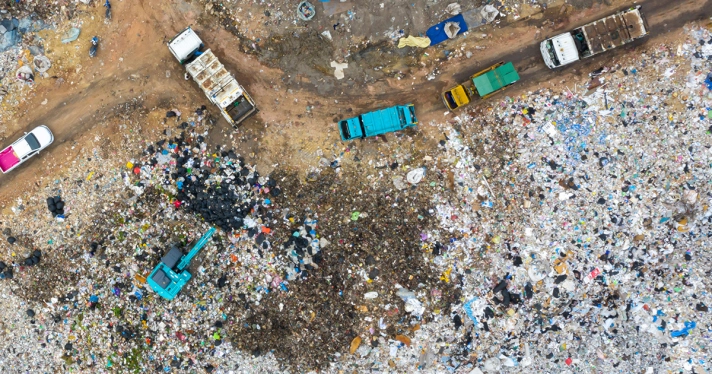
Waste-management companies
Reduce transport, disposal costs, and regulatory burden by treating AFFF and PFAS-contaminated liquids directly on site.

Environmental remediation companies
Deploy on-site treatment to support time-critical remediation projects and evolving regulatory requirements.
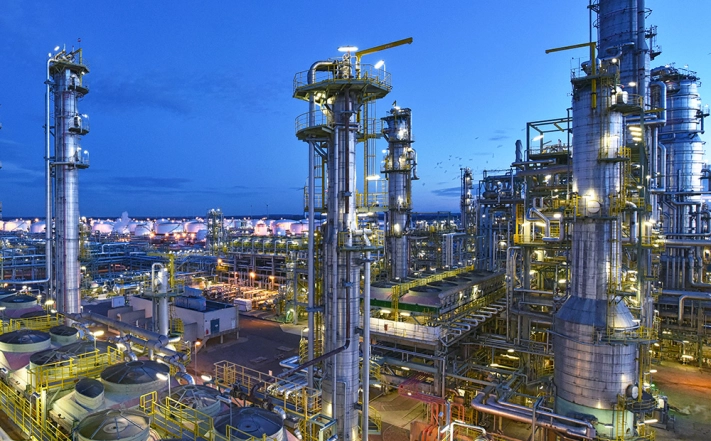
Industrial and petrochemical sites
Manage legacy AFFF stocks, PFAS, and other regulated micropollutants on site without interrupting ongoing operations.

Military and defence sites
Enable controlled, on-site AFFF treatment while limiting off-site transport and maintaining operational security.

Airports and aviation infrastructure
Address PFAS contamination from historic AFFF use in training areas and fire suppression systems.

If you’re preparing for REACH deadlines or looking to optimise the handling of legacy AFFF foams, Photon Water’s experts can help assess how on-site decontamination fits into your operations.

Move away from transport-heavy disposal and manage PFAS treatment on site with speed, certainty, and compliance.
What are the key PFAS regulatory deadlines affecting AFFF in Europe?
PFAS regulation in Europe is governed primarily by the EU POPs Regulation and REACH, with a series of phased deadlines affecting the storage, use, and disposal of AFFF firefighting foams.
The dates below highlight some of the key regulatory milestones and transition deadlines relevant to site operators and duty holders managing legacy AFFF systems.
Please note that this information is provided as a general overview and should be confirmed against the latest official guidance and site-specific requirements.
PFOA (C8-based AFFF foams) under the EU POPs Regulation
PFOA and its related compounds are classified as Persistent Organic Pollutants (POPs) and are subject to strict controls under Regulation (EU) 2019/1021.
C9–C14 PFCA foams under REACH Annex XVII
Long-chain perfluorocarboxylic acids (C9–C14 PFCAs), commonly found in certain AFFF foams, are restricted under REACH Annex XVII.
Firefighting foams under EU REACH PFAS Regulation (EU) 2025/1988
Regulation (EU) 2025/1988 introduces comprehensive restrictions on PFAS in firefighting foams, including AFFF.
These deadlines require holders of legacy AFFF foams to ensure compliant decontamination of both the foams themselves and associated systems. On-site treatment enables faster response while reducing transport, disposal, and administrative burden.
What these deadlines mean for site operators
As PFAS regulations tighten across Europe, operators using or storing AFFF foams face increasing obligations around containment, treatment, and final disposal.
Photon Water’s on-site AFFF decontamination solution offer a flexible and practical way to manage these requirements by reducing PFAS concentrations at the source, supporting auditable compliance, and minimising reliance on off-site transport and disposal. These systems can typically be deployed within a single day, enabling a fast response to regulatory deadlines or inspection findings.
Sources:
Regulation (EU) 2019/1021 – POPs Regulation
Commission Delegated Regulation (EU) 2020/784 – PFOA listing
Commission Delegated Regulation (EU) 2025/718 – POPs amendment
Commission Regulation (EU) 2023/707 – REACH restriction on C9–C14 PFCAs
Commission Regulation (EU) 2025/1988 – PFAS firefighting foams (REACH Annex XVII)
ECHA – Per- and polyfluoroalkyl substances (PFAS) – regulatory overview
What are C8-based AFFF foams, and why are they regulated?
C8-based AFFF foams contain PFAS compounds such as PFOA, which are classified as persistent organic pollutants due to their environmental persistence and potential health impacts. Their use and storage have been progressively restricted in the European Union, culminating in the expiry of the final derogation on 3 December 2025.
How quickly can an on-site AFFF decontamination system be deployed?
The pre-engineered, containerised system can typically be deployed within one day, without requiring plant shutdown or major site modifications.
What are the benefits of on-site AFFF treatment?
On-site treatment reduces transport, disposal volumes, administrative burden, and overall project risk. It also enables faster response to regulatory deadlines and can significantly lower total costs compared to off-site incineration.
Can the on-site decontamination solution be used for contaminants other than PFAS?
Yes. While the system is optimised for AFFF and PFAS treatment, it can be adjusted to address other regulated micropollutants through configuration changes. Suitability depends on the specific contaminant profile, treatment objectives, and regulatory requirements, and is evaluated on a project-by-project basis.